4 Serves
480 Mins
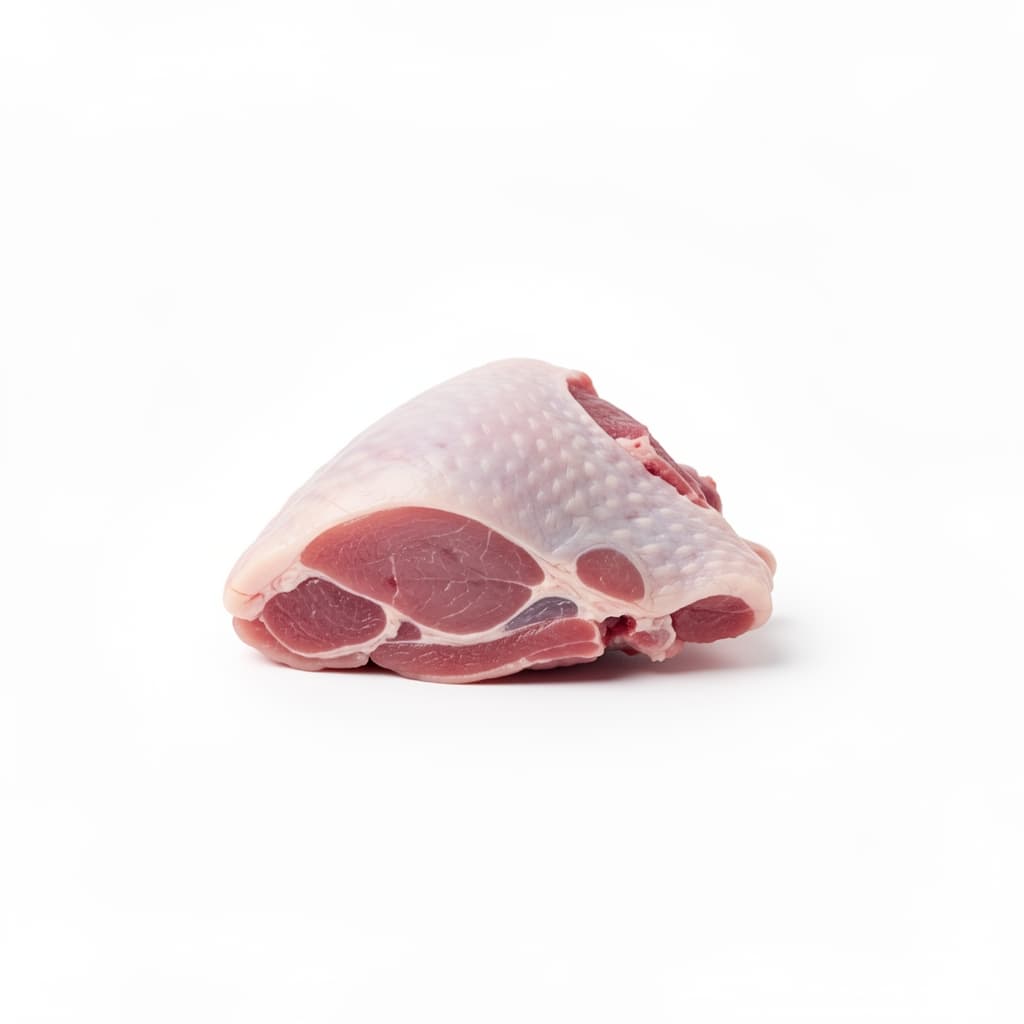
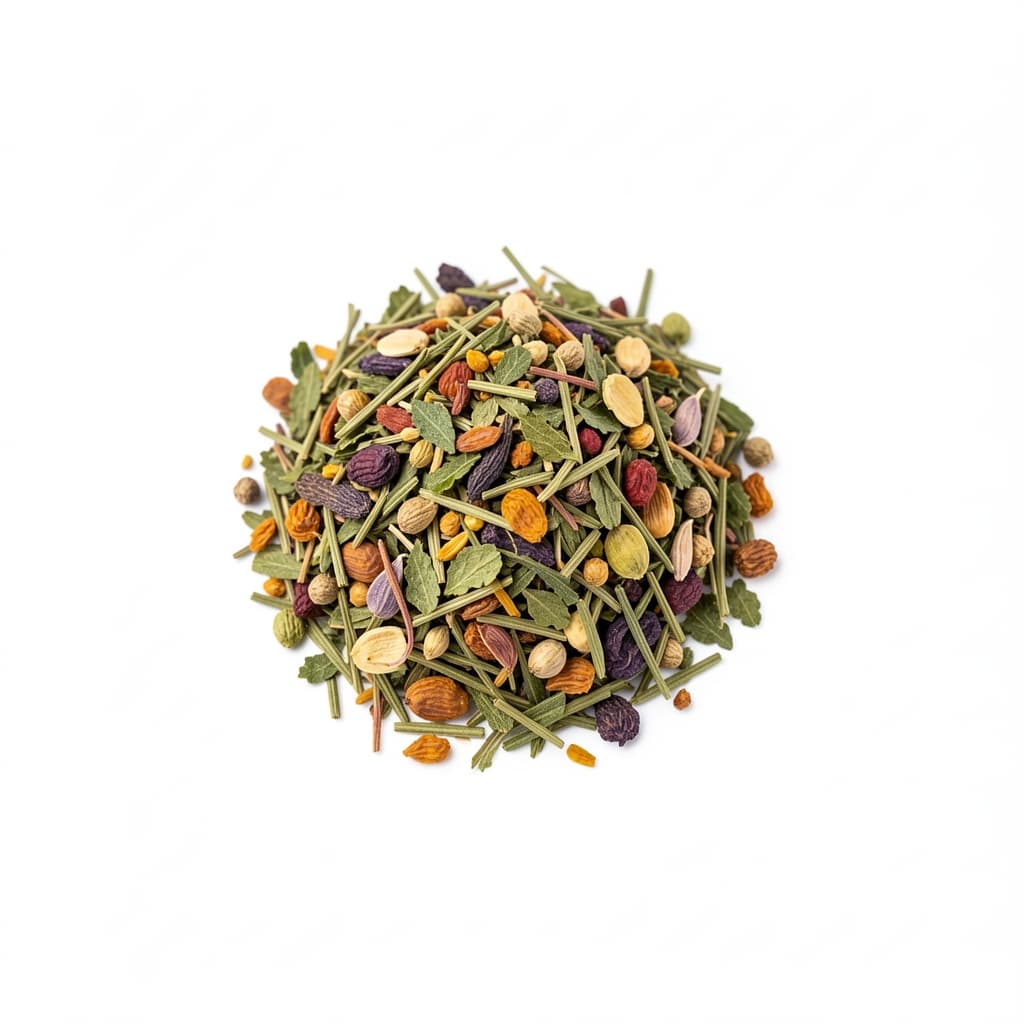
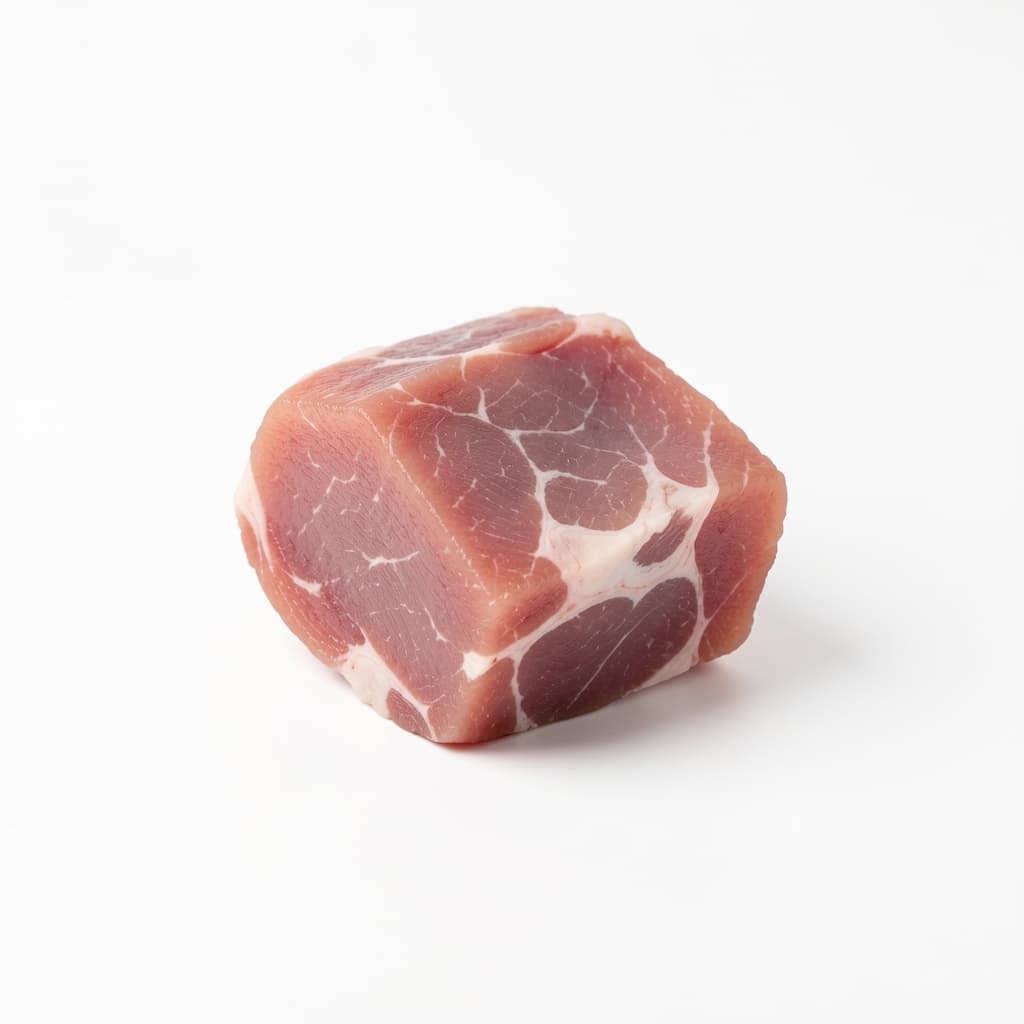
In a shallow dish, combine half the salt, half the garlic, and half the herbs. Place the duck legs skin-side up and cover with the remaining salt, garlic, and herbs. Refrigerate overnight to cure.
Flag a recipe, ingredient, instruction, timing, or safety issue for review.
.jpg&w=3840&q=75)
 French
Vitamin K
5 µg / 120 µgVitamin B1
1 mg / 1.2 mgVitamin B2
1 mg / 1.3 mgVitamin B3
8 mg / 16 mgVitamin B5
4 mg / 5 mgVitamin B6
1 mg / 1.7 mgVitamin B12
31 µg / 2.4 µgFolate
734 µg / 400 µgCalcium
56 mg / 1,300 mgIron
21 mg / 18 mgMagnesium
62 mg / 420 mgPhosphorus
306 mg / 1,250 mgPotassium
577 mg / 4,700 mgSodium
1307 mg / 2,300 mgZinc
3 mg / 11 mgCopper
4 mg / 0.9 mgManganese
3 mg / 2.3 mgSelenium
51 µg / 55 µgFiber
7 g / 28 gSugar
6 g / 50 gSaturated Fat
3 g / 20 gCholesterol
357 mg / 300 mgCaffeine
0 mgNet Carbs
32 gAlcohol
0 g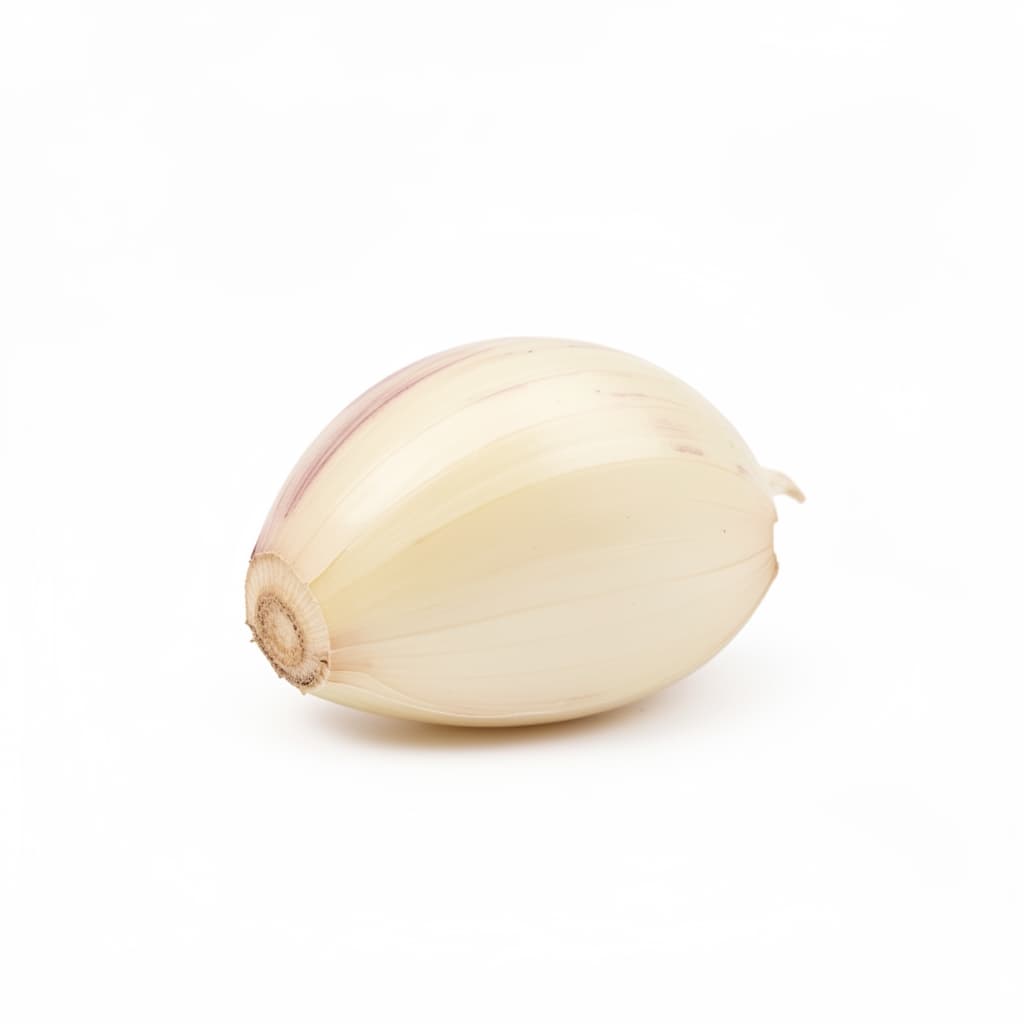
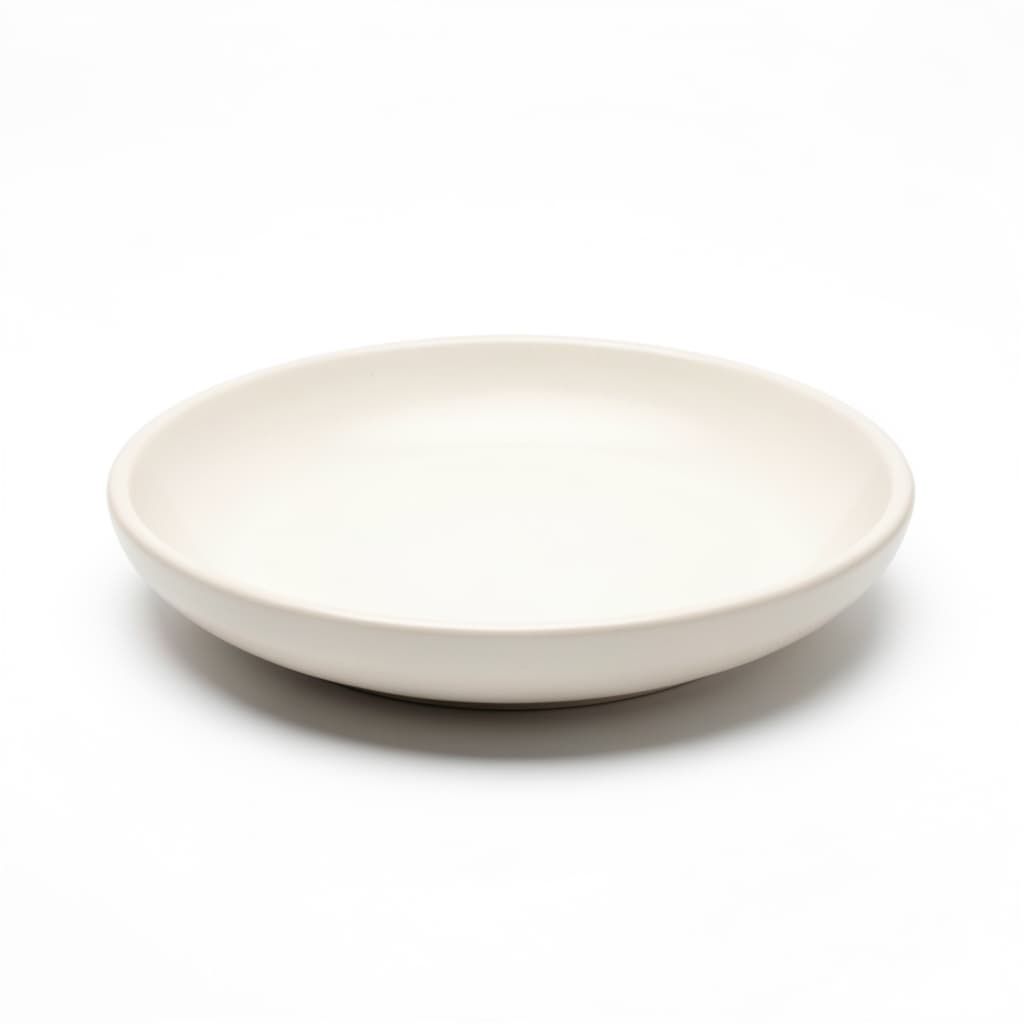
Brush the salt, garlic, and herbs off the duck legs. Place the legs skin-side down in a saucepan with the wine, ensuring they fit snugly in a single layer.
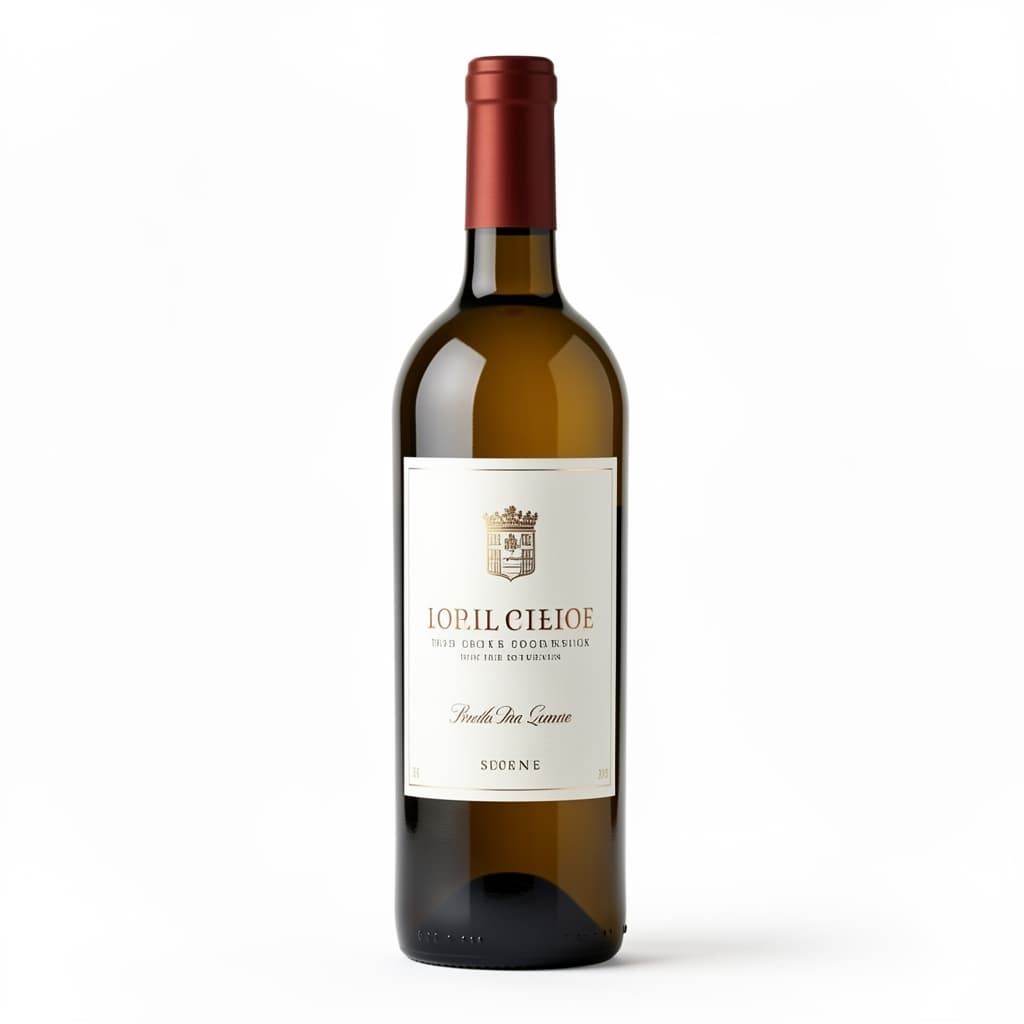
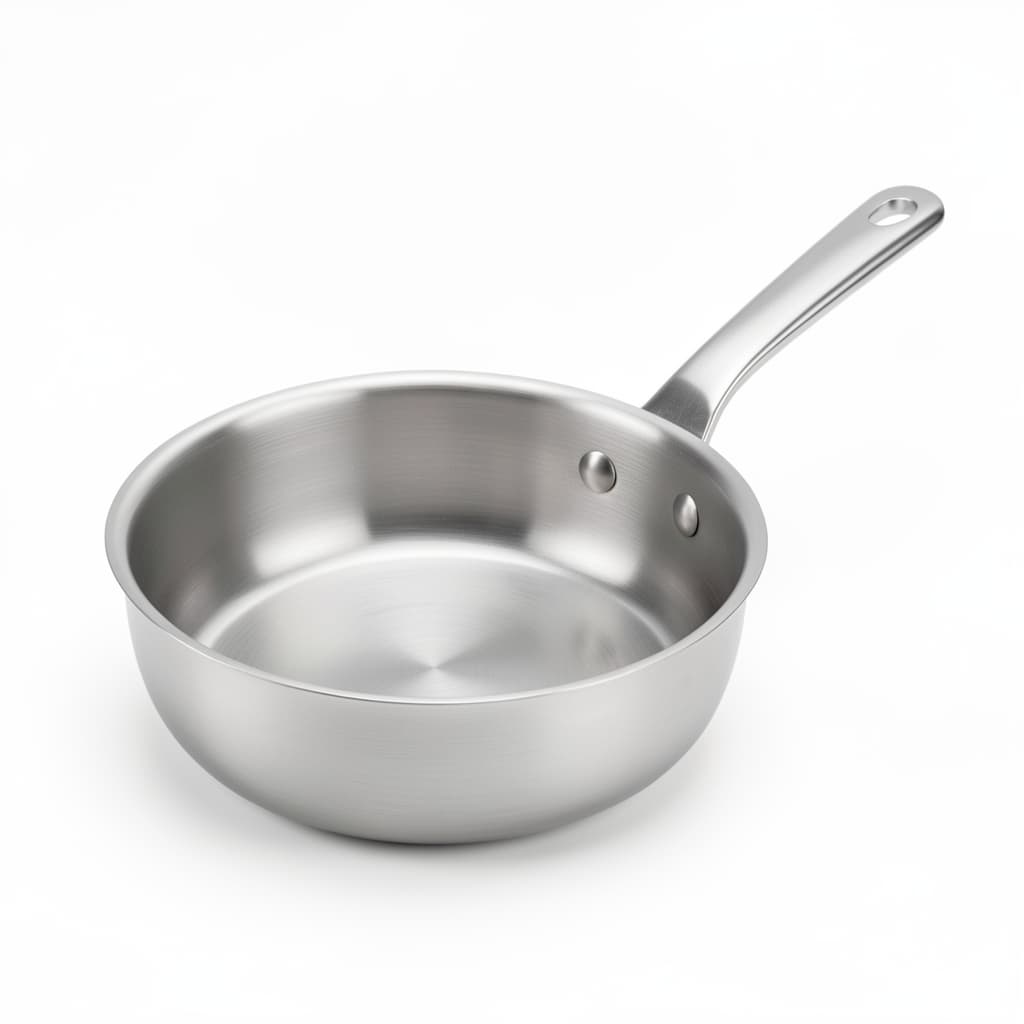
Cover the saucepan with a lid and bring the wine to a gentle bubble over medium heat. Reduce to the lowest setting and simmer for 2 hours, ensuring the liquid barely bubbles.
Once tender, remove the duck legs from the liquid. If storing, pack them into a container and cover with the rendered fat, refrigerating for up to a month.
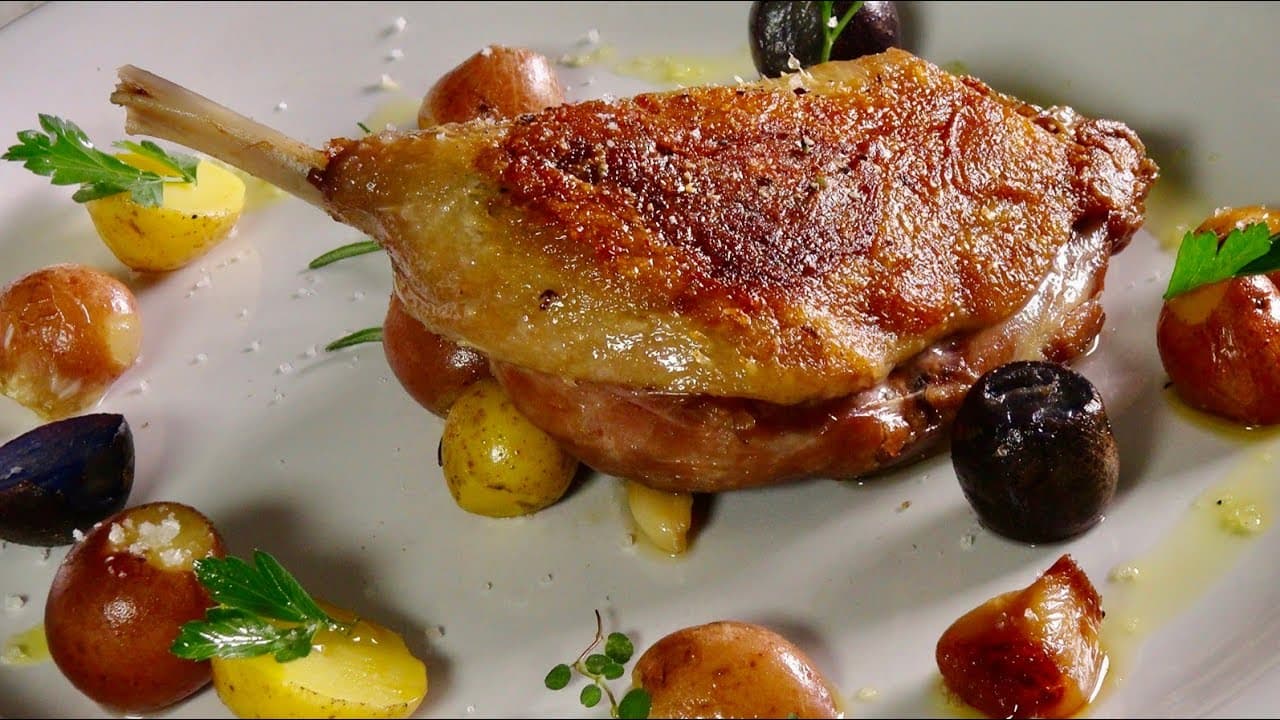
To serve, preheat the oven to 220°C. Place the duck legs skin-side down in an ovenproof frying pan and roast for 30-40 minutes, turning halfway through until the skin is brown and crisp.
22
g37
g7
g
 Egyptian