
.jpg&w=3840&q=75)
4 Serves
95 Mins
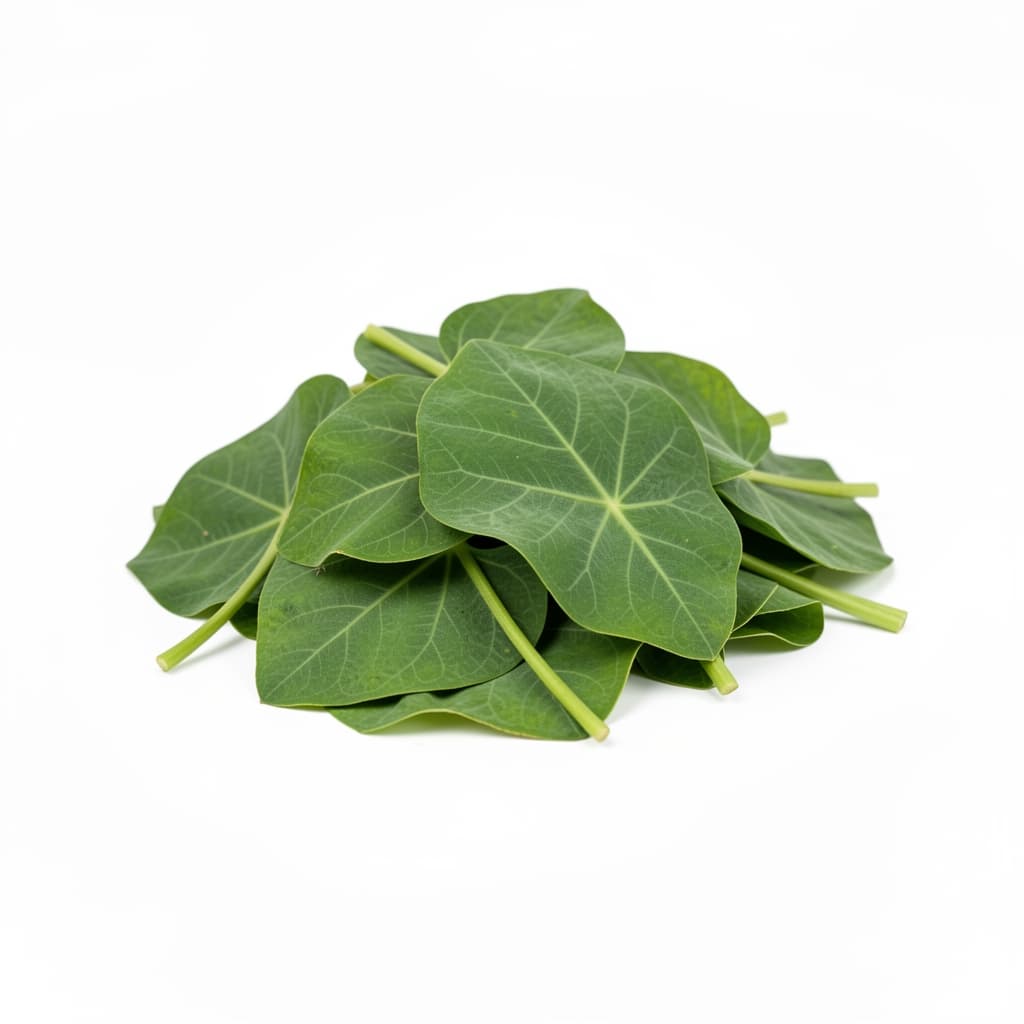
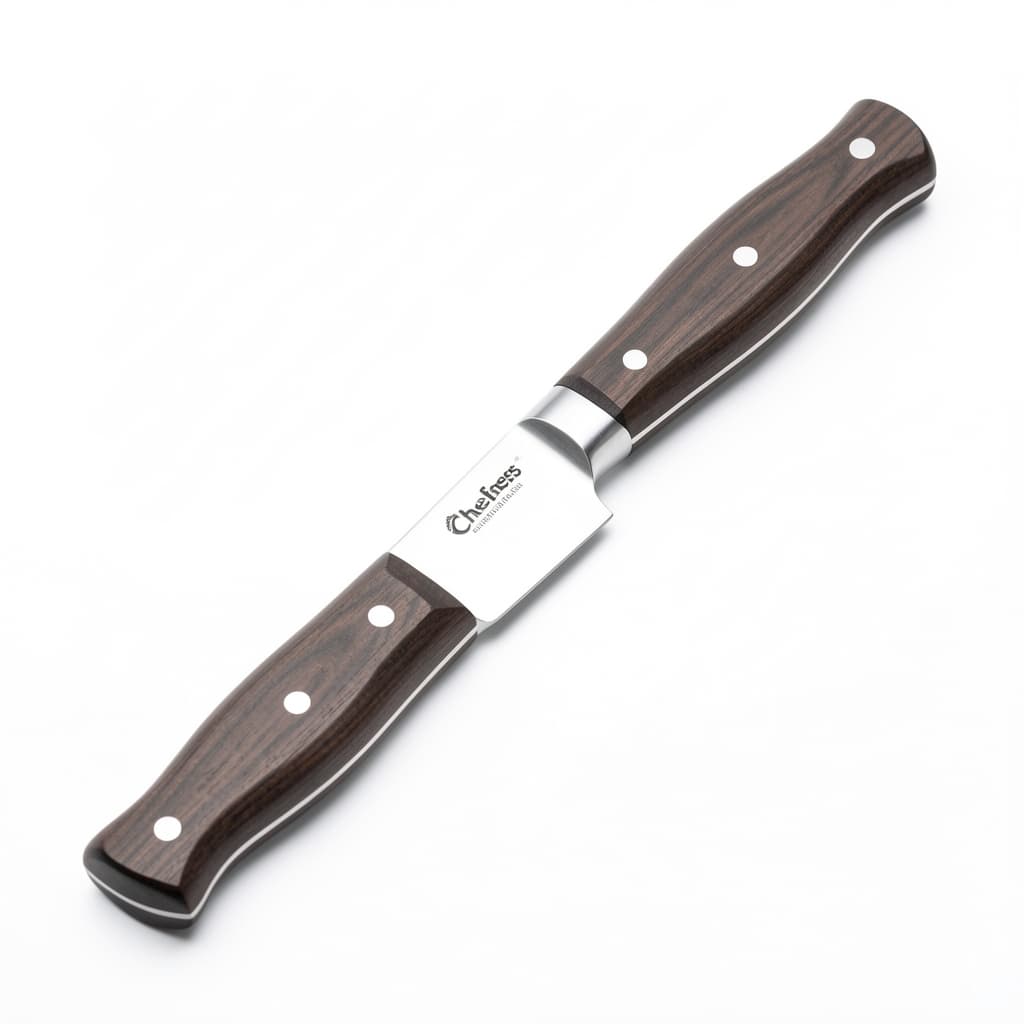
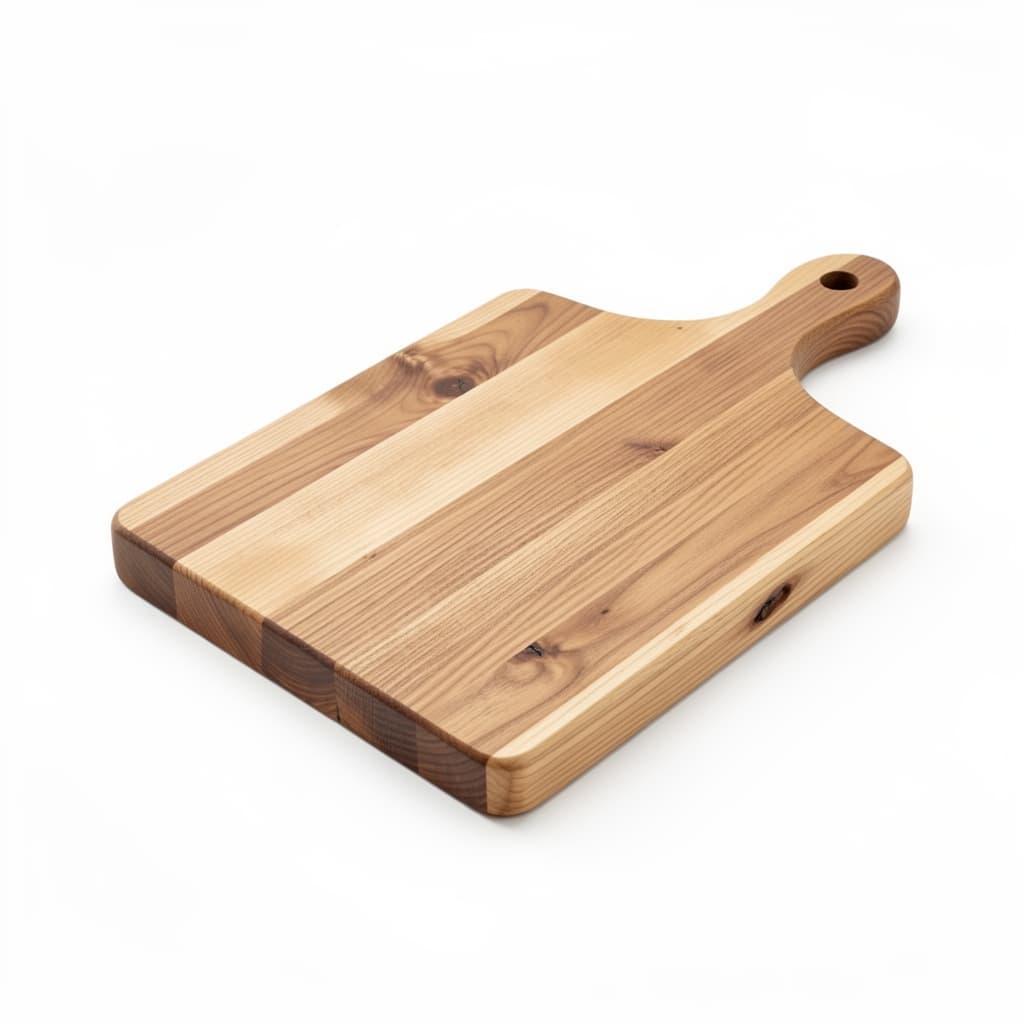
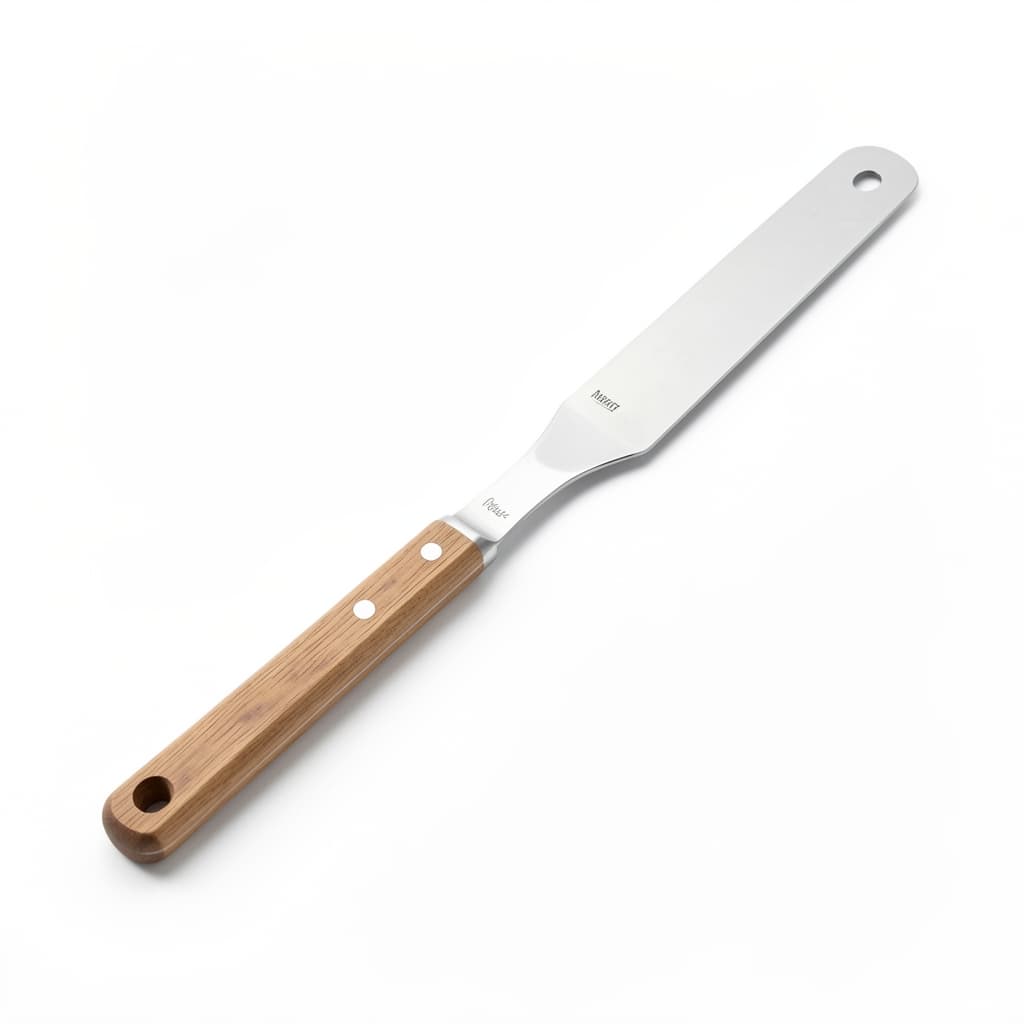
Thoroughly wash the taro leaves and remove the tough stems, then slice the leaves into thin ribbons using a chef's knife on a cutting board.
Flag a recipe, ingredient, instruction, timing, or safety issue for review.
 Mexican
Vitamin E
3 mg / 15 mgVitamin K
129 µg / 120 µgVitamin B1
0 mg / 1.2 mgVitamin B2
1 mg / 1.3 mgVitamin B3
3 mg / 16 mgVitamin B5
0 mg / 5 mgVitamin B6
0 mg / 1.7 mgVitamin B12
0 µg / 2.4 µgFolate
183 µg / 400 µgCalcium
144 mg / 1,300 mgIron
4 mg / 18 mgMagnesium
79 mg / 420 mgPhosphorus
146 mg / 1,250 mgPotassium
928 mg / 4,700 mgSodium
800 mg / 2,300 mgZinc
1 mg / 11 mgCopper
0 mg / 0.9 mgManganese
1 mg / 2.3 mgSelenium
11 µg / 55 µgFiber
8 g / 28 gSugar
6 g / 50 gSaturated Fat
20 g / 20 gCholesterol
8 mg / 300 mgCaffeine
0 mgNet Carbs
37 gAlcohol
0 g
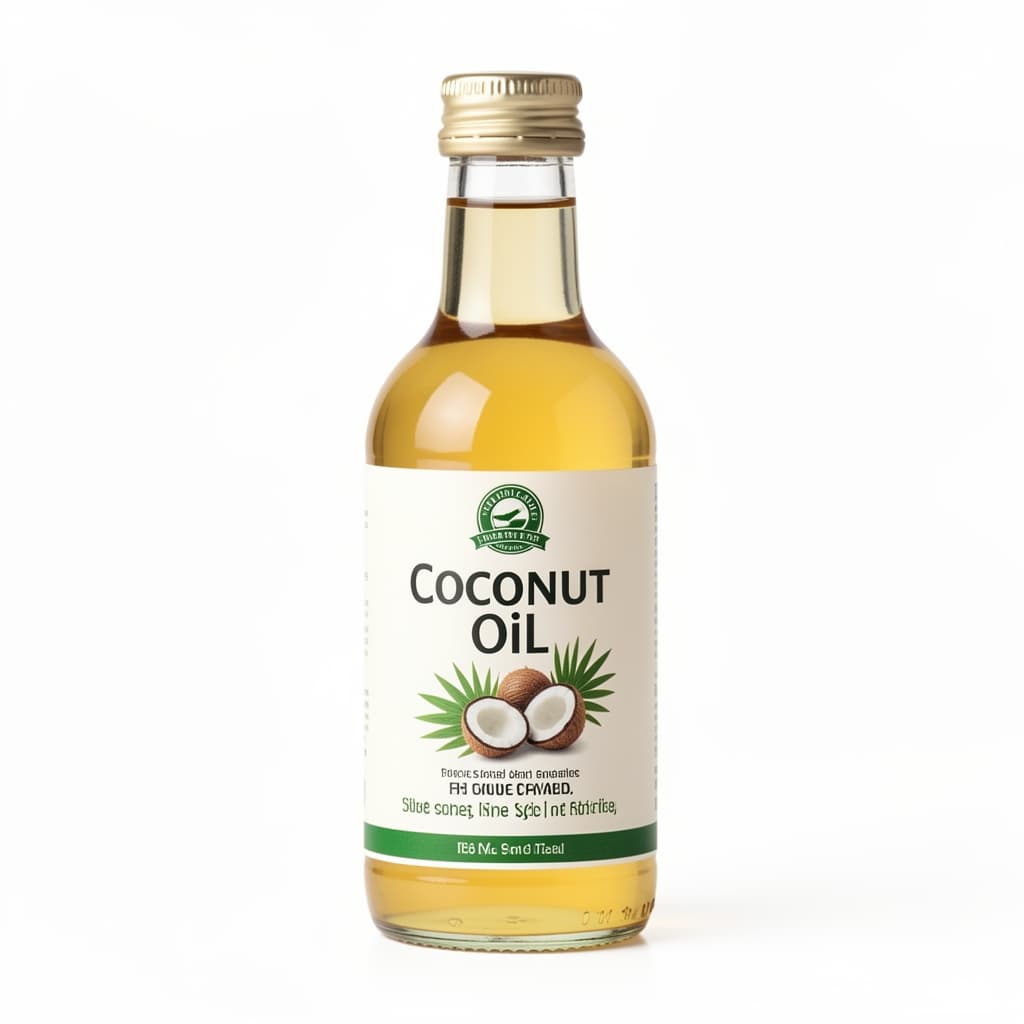
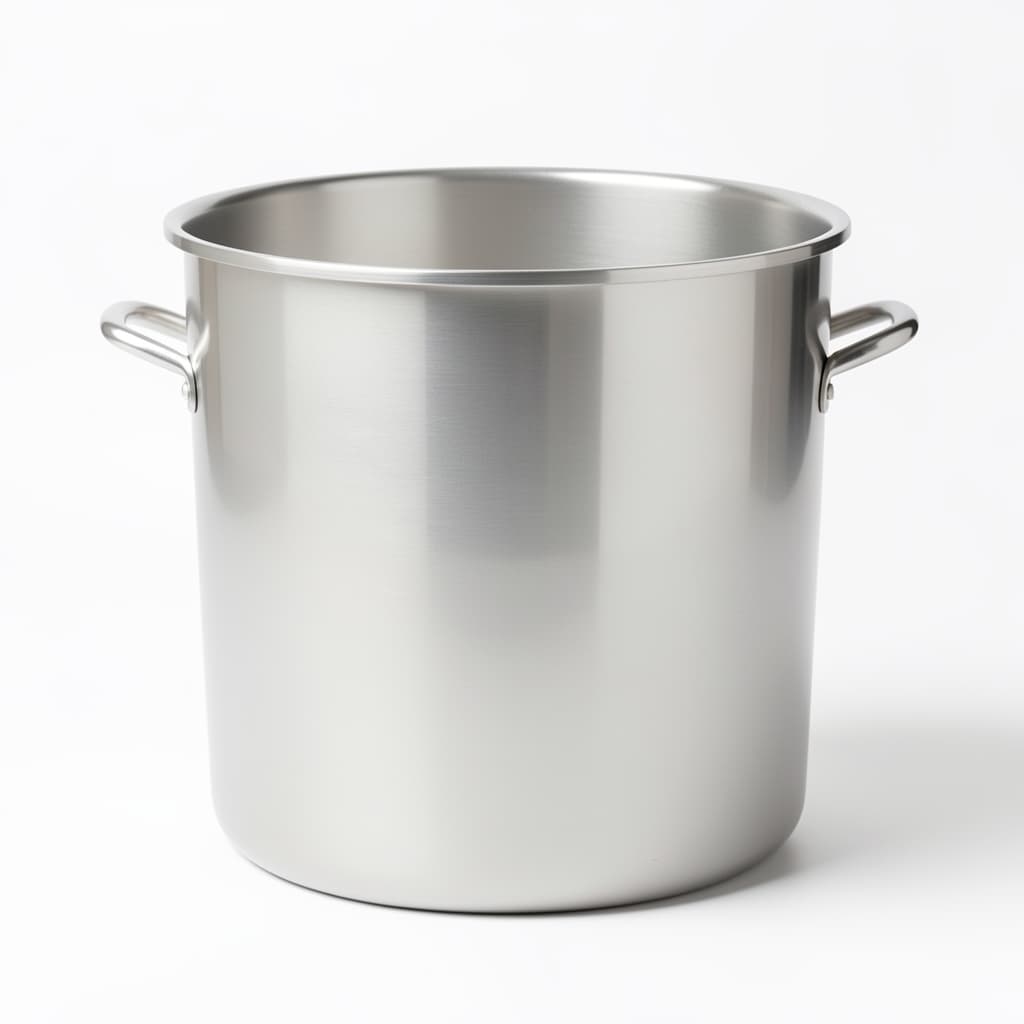
In a large pot, heat the coconut oil over medium heat and sauté the diced onion and garlic until fragrant and translucent.
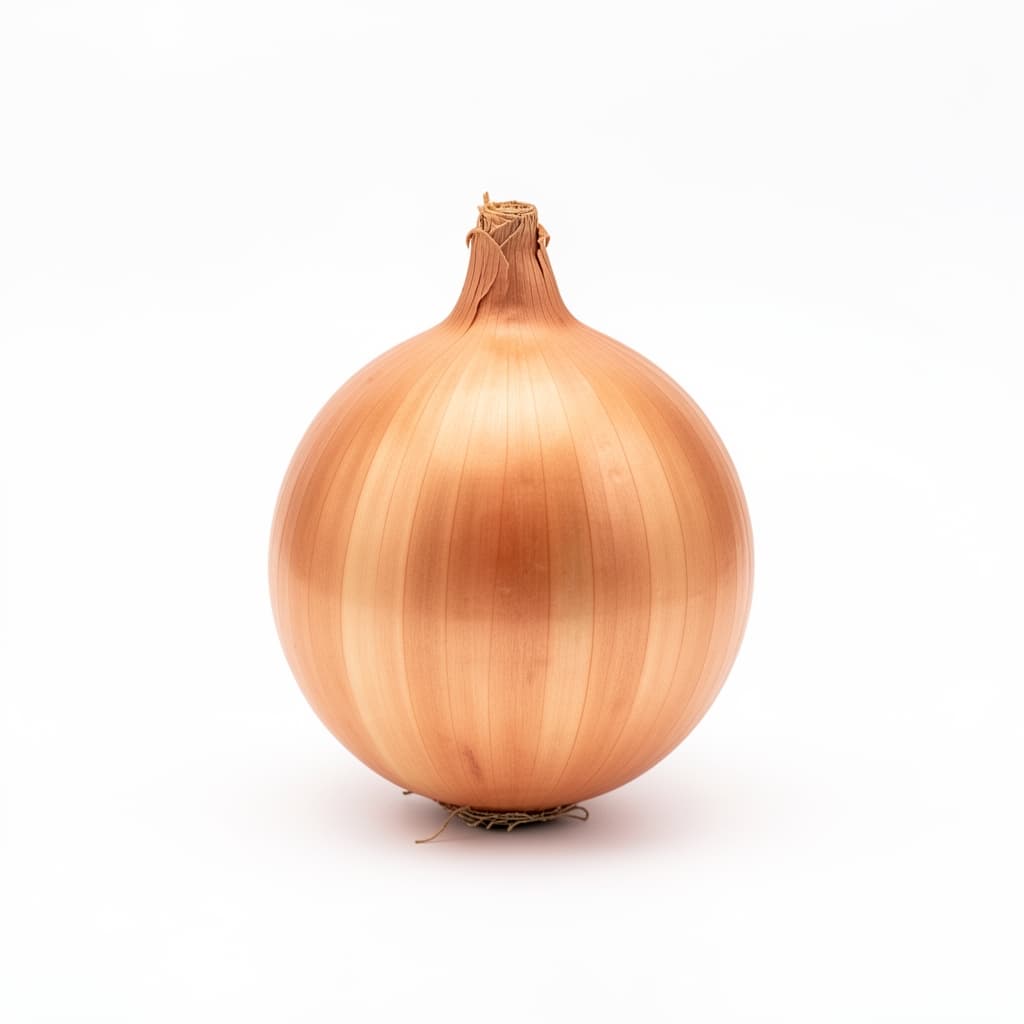
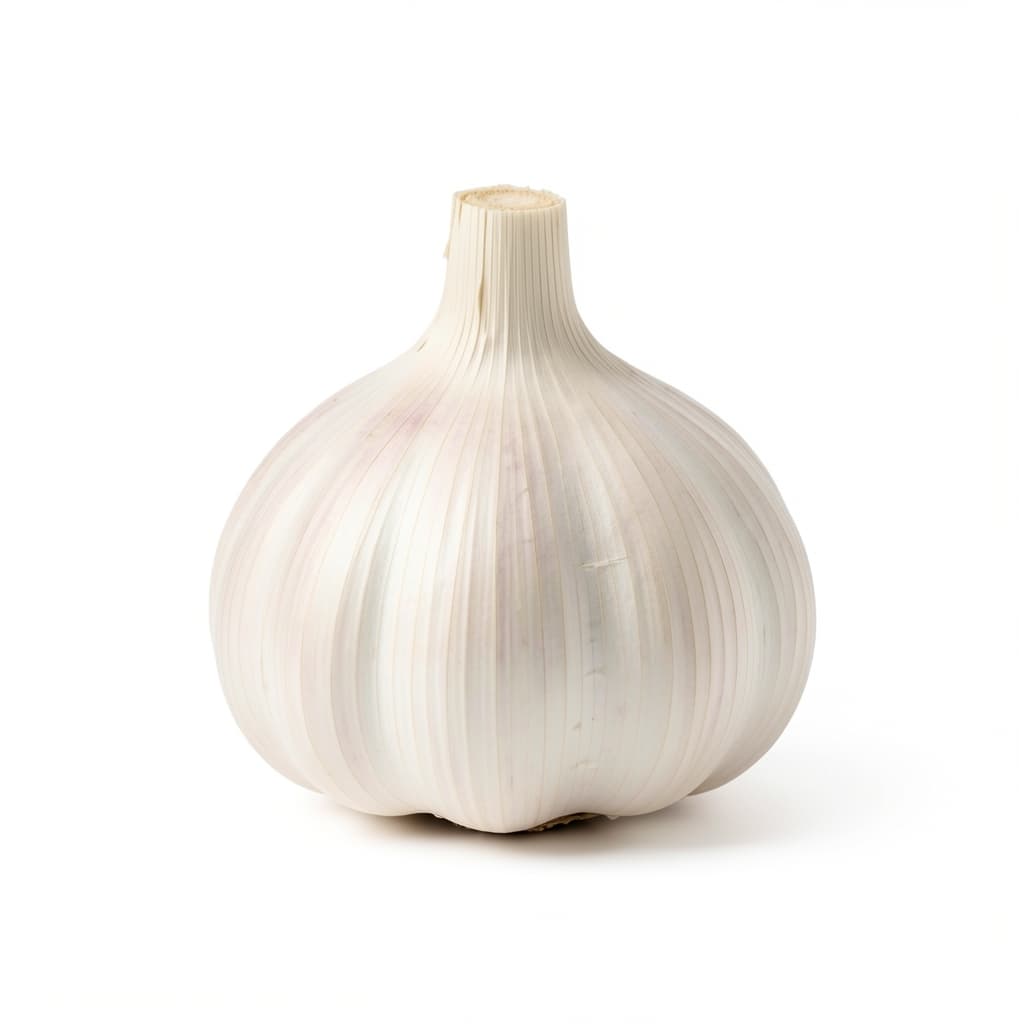
Add the sliced taro leaves to the pot and stir to coat them in the oil, allowing them to wilt slightly.
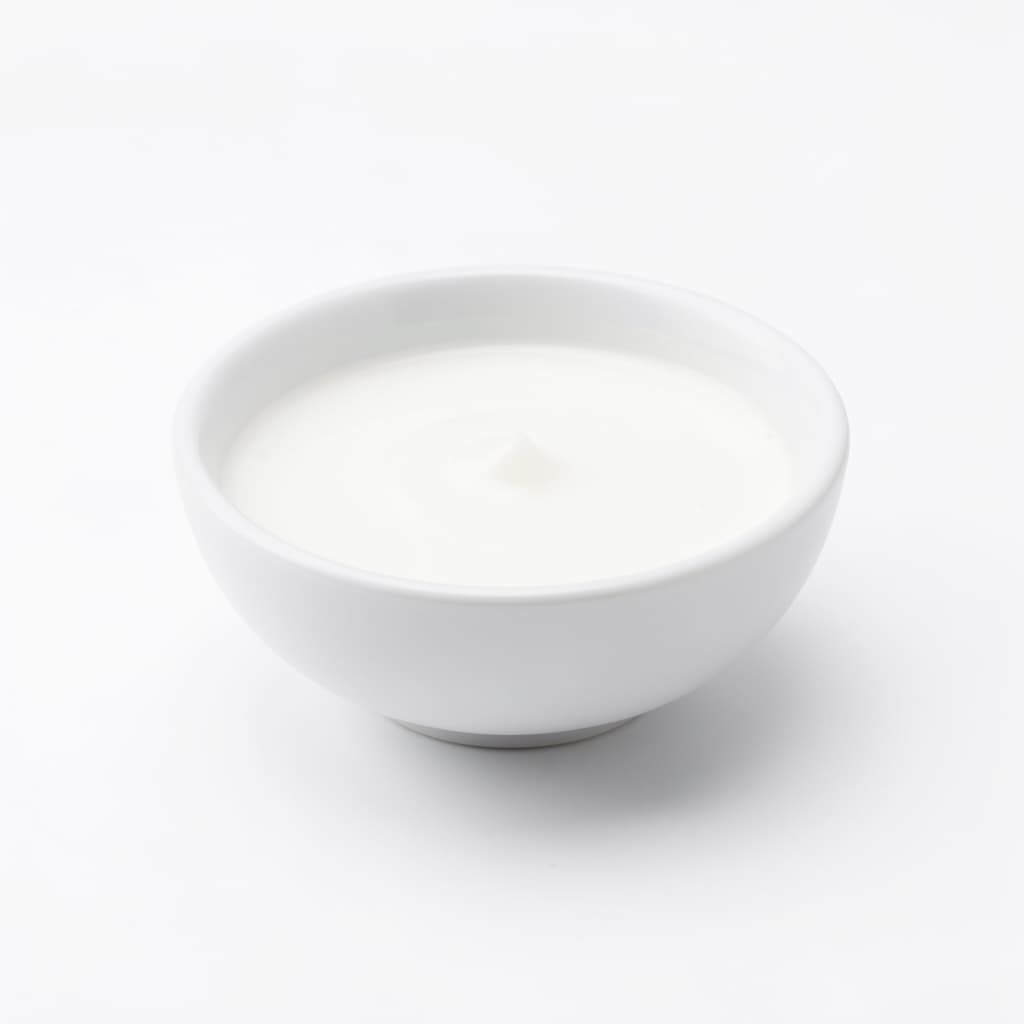
Pour in the coconut milk and bring the mixture to a gentle simmer, then cover the pot and cook until the leaves are completely tender.
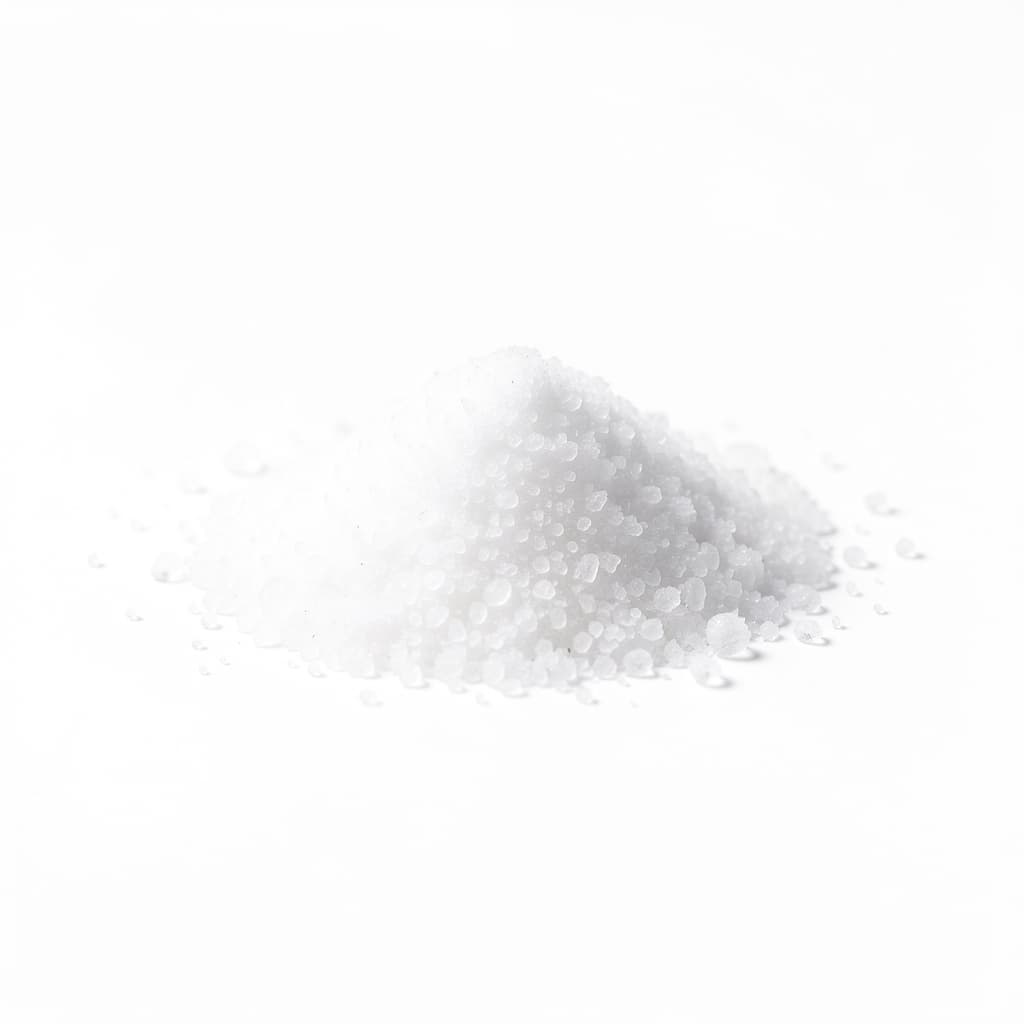
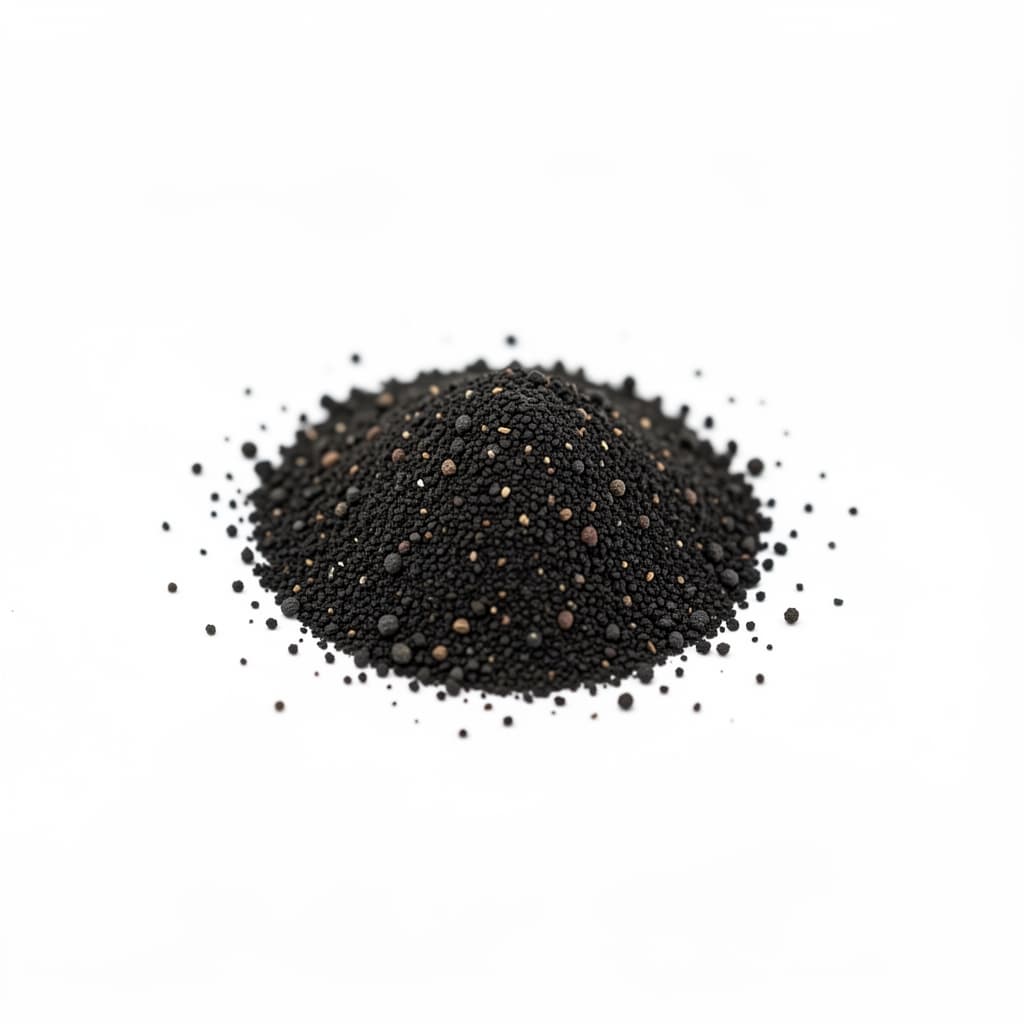
Season the dish with salt and black pepper to taste, stirring well to combine, and serve hot.
9
g62
g7
g
 Polish
.jpg&w=3840&q=75)
 Kenyan