2 Serves
49 Mins
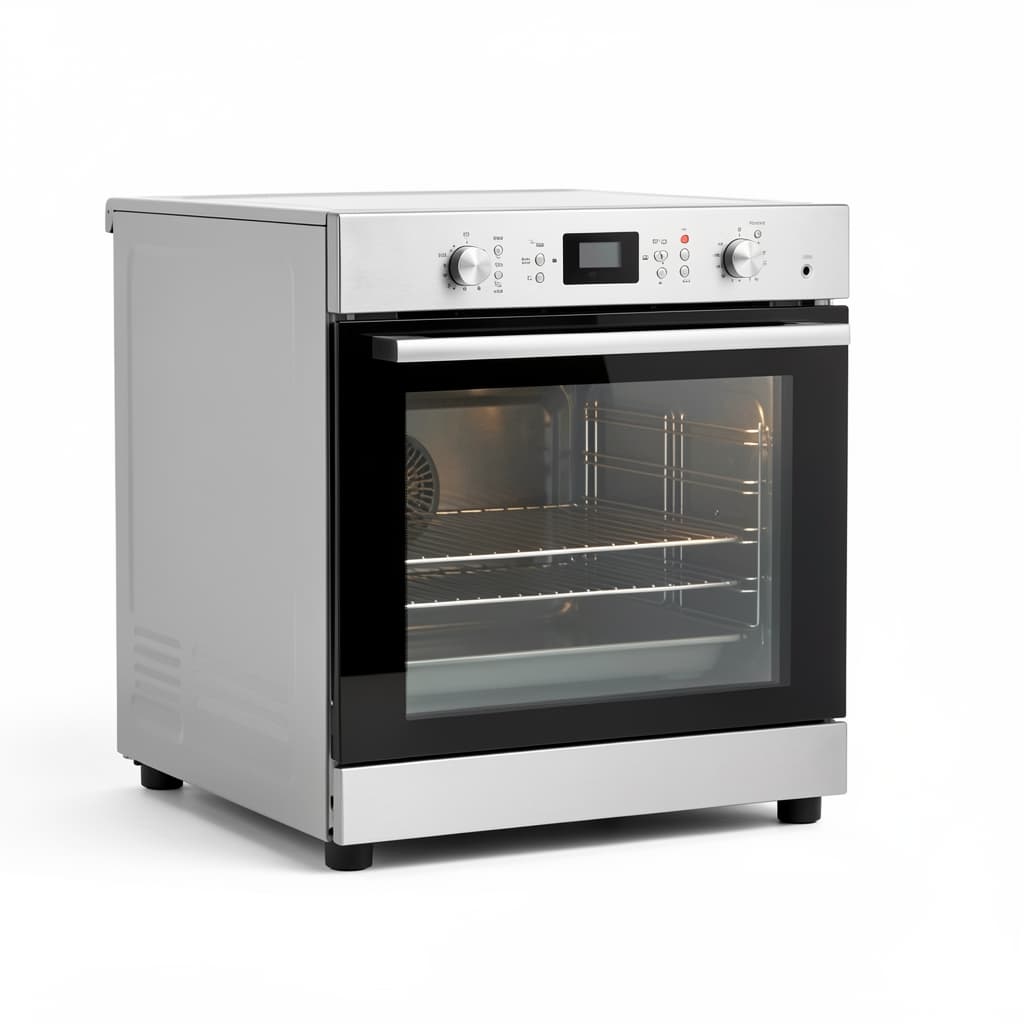
Preheat your oven to 200°C. If using a roasting tray, place it in the oven now to heat up.
Flag a recipe, ingredient, instruction, timing, or safety issue for review.
Vitamin E
0 mg / 15 mgVitamin K
5 µg / 120 µgVitamin B1
1 mg / 1.2 mgVitamin B2
1 mg / 1.3 mgVitamin B3
4 mg / 16 mgVitamin B5
1 mg / 5 mgVitamin B6
1 mg / 1.7 mgVitamin B12
1 µg / 2.4 µgFolate
46 µg / 400 µgCalcium
231 mg / 1,300 mgIron
6 mg / 18 mgMagnesium
46 mg / 420 mgPhosphorus
353 mg / 1,250 mgPotassium
547 mg / 4,700 mgSodium
459 mg / 2,300 mgZinc
2 mg / 11 mgCopper
0 mg / 0.9 mgManganese
0 mg / 2.3 mgSelenium
21 µg / 55 µgFiber
3 g / 28 gSugar
13 g / 50 gSaturated Fat
15 g / 20 gCholesterol
168 mg / 300 mgCaffeine
0 mgNet Carbs
16 gAlcohol
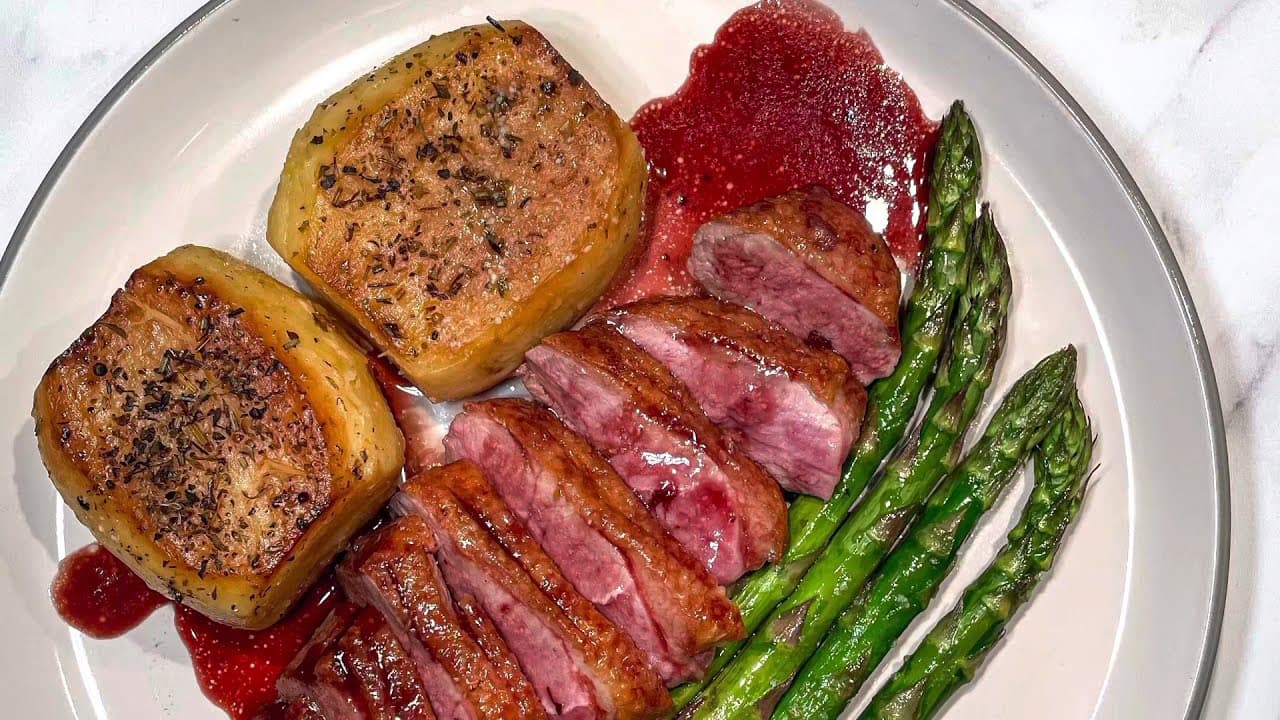
0 gScore the skin of the duck breasts in a crosshatch pattern. Season both sides generously with salt and pepper.
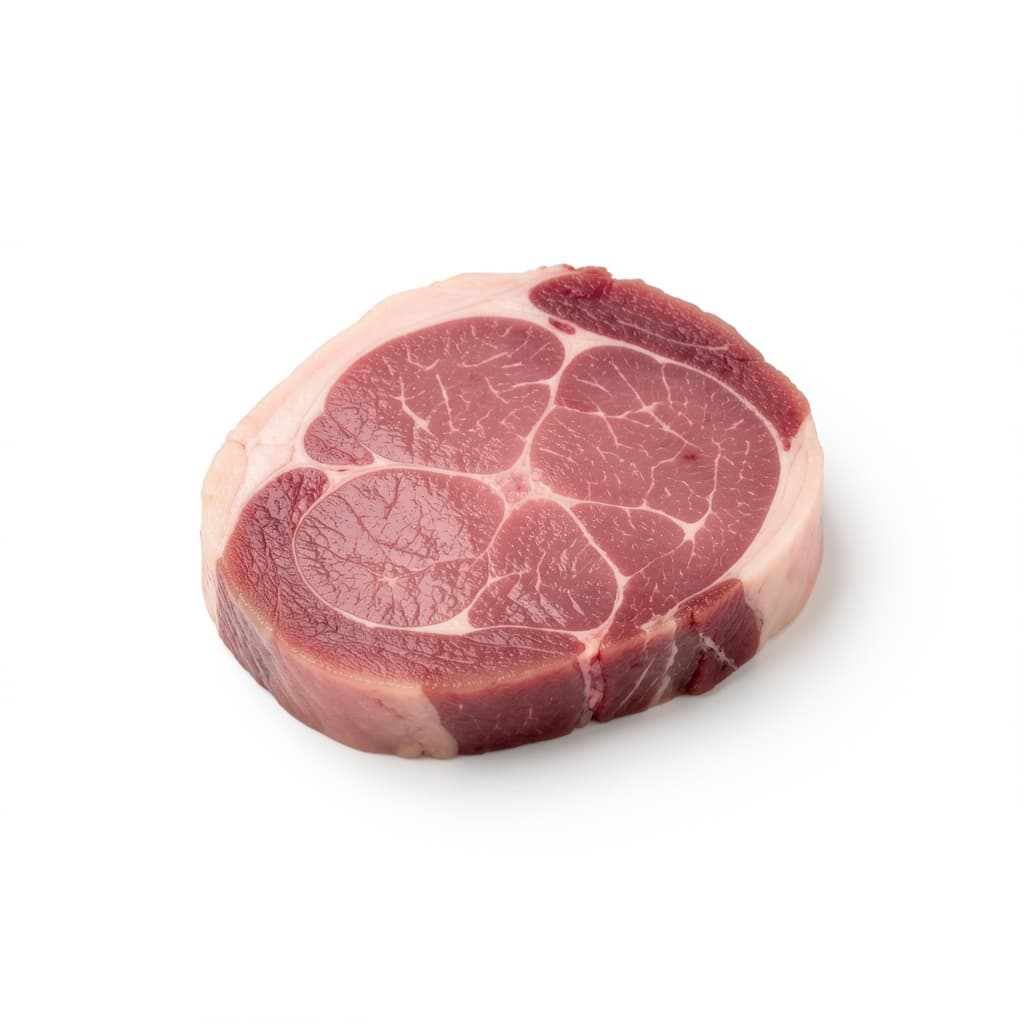
Place the duck breasts skin-side down in a cold frying pan. Turn the heat to medium-high and render the fat until the skin is golden and crispy, about 10 to 15 minutes.
Transfer the duck to the preheated roasting tray, skin-side down, and roast in the oven for 7 to 10 minutes until cooked to your desired doneness.
Remove the duck from the oven and let it rest on a cutting board for 7 minutes before slicing.
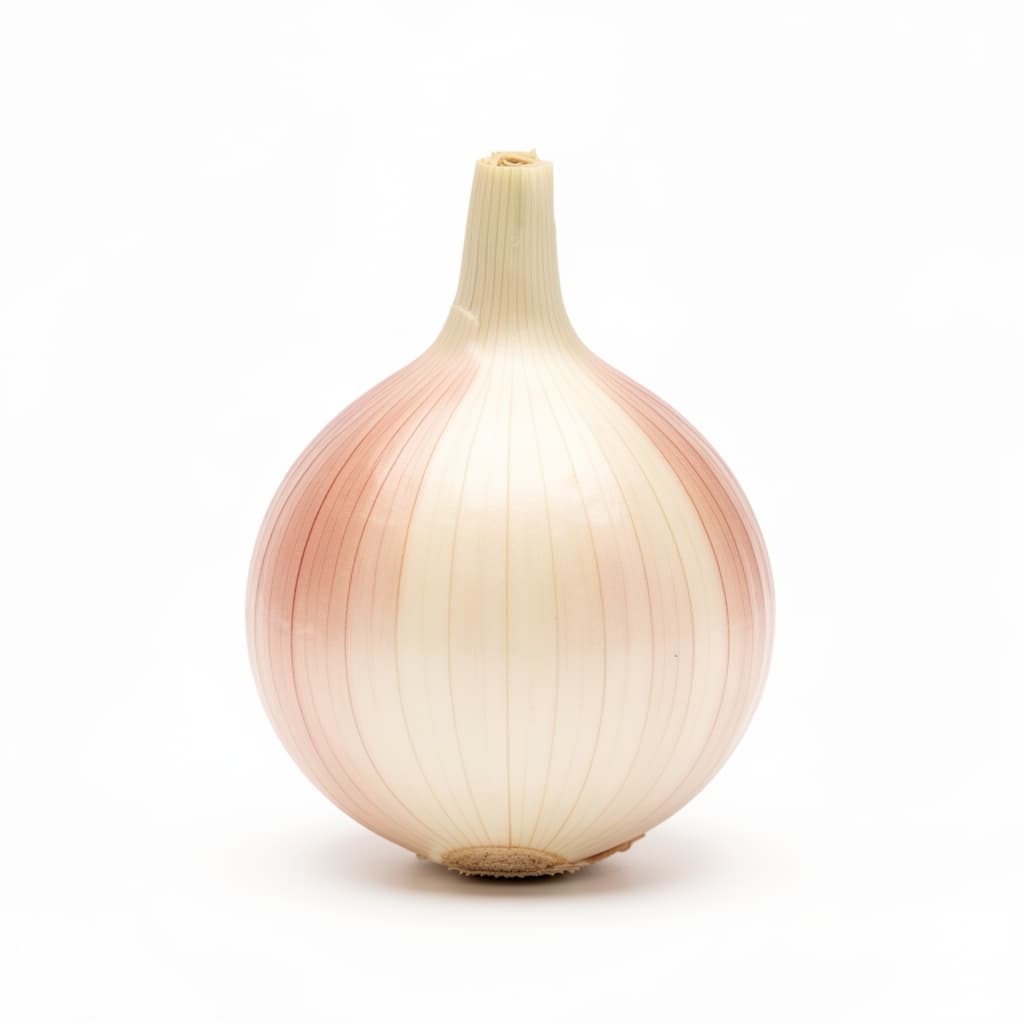
While the duck rests, melt half the butter in a saucepan over medium-high heat. Add the shallots and sauté until softened.
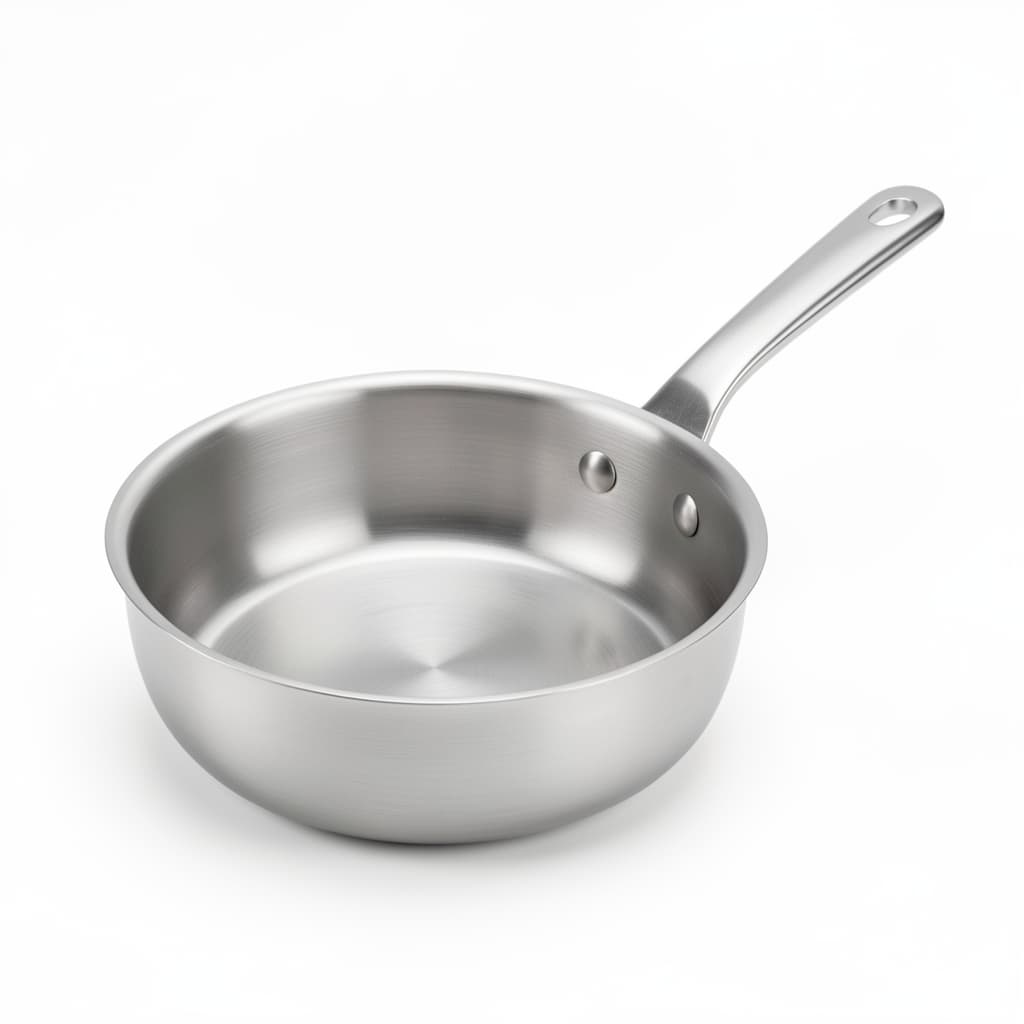
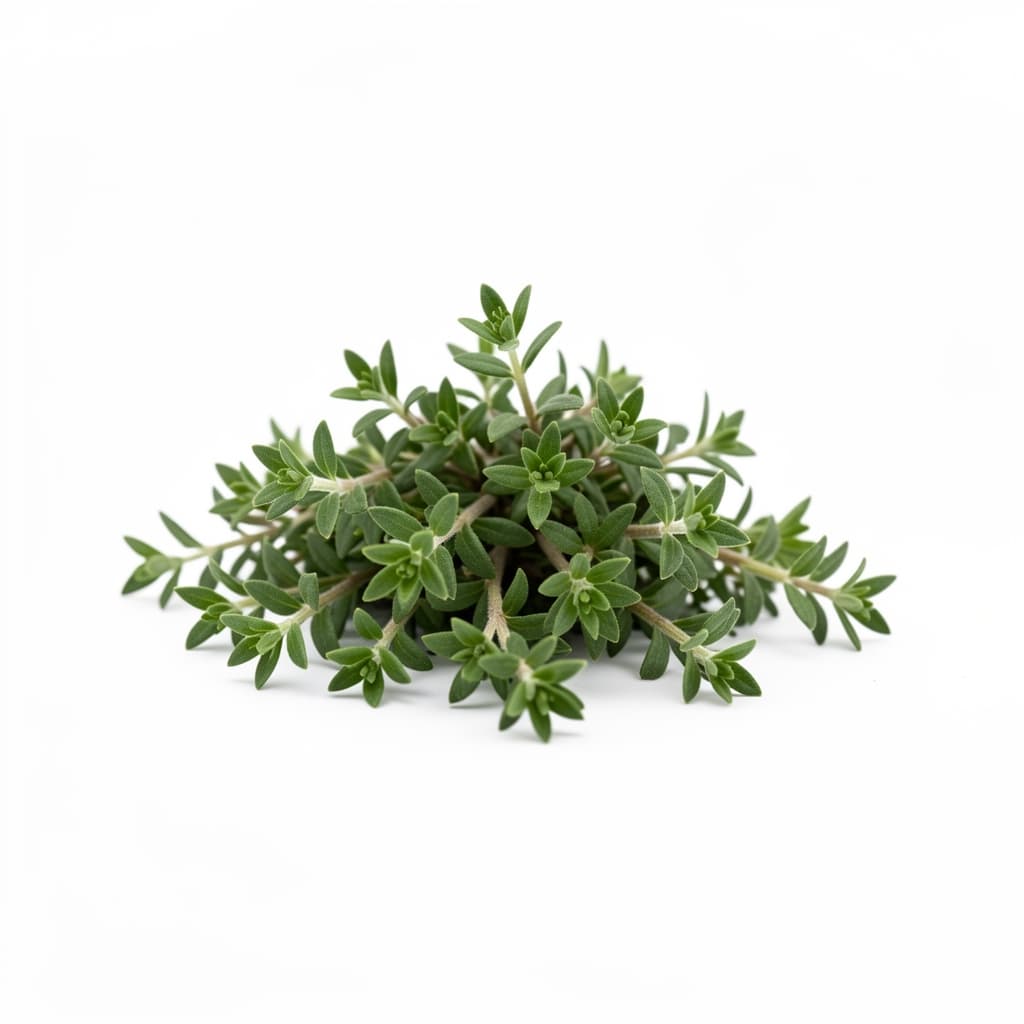
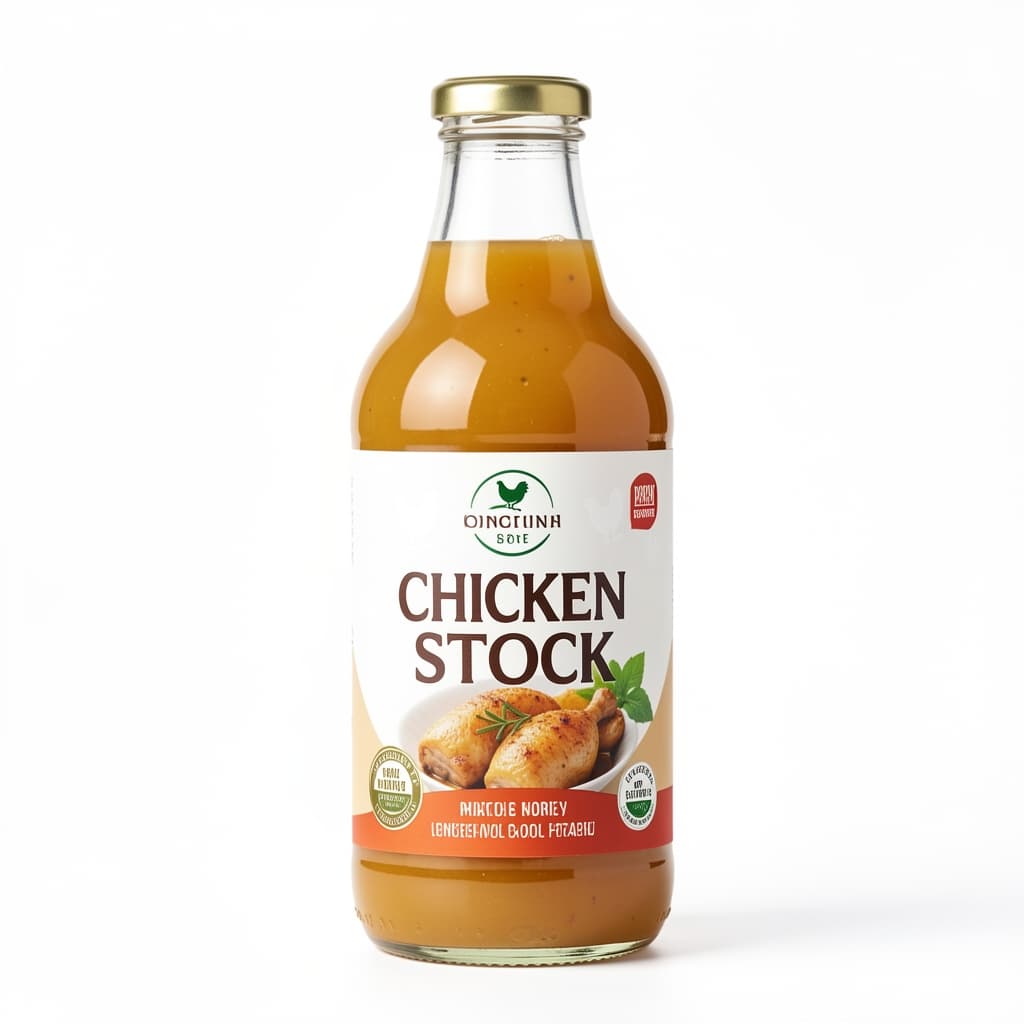
Stir in the thyme, chicken stock, port wine, honey, and a pinch of salt and pepper. Add half of the red currants and bring to a simmer.
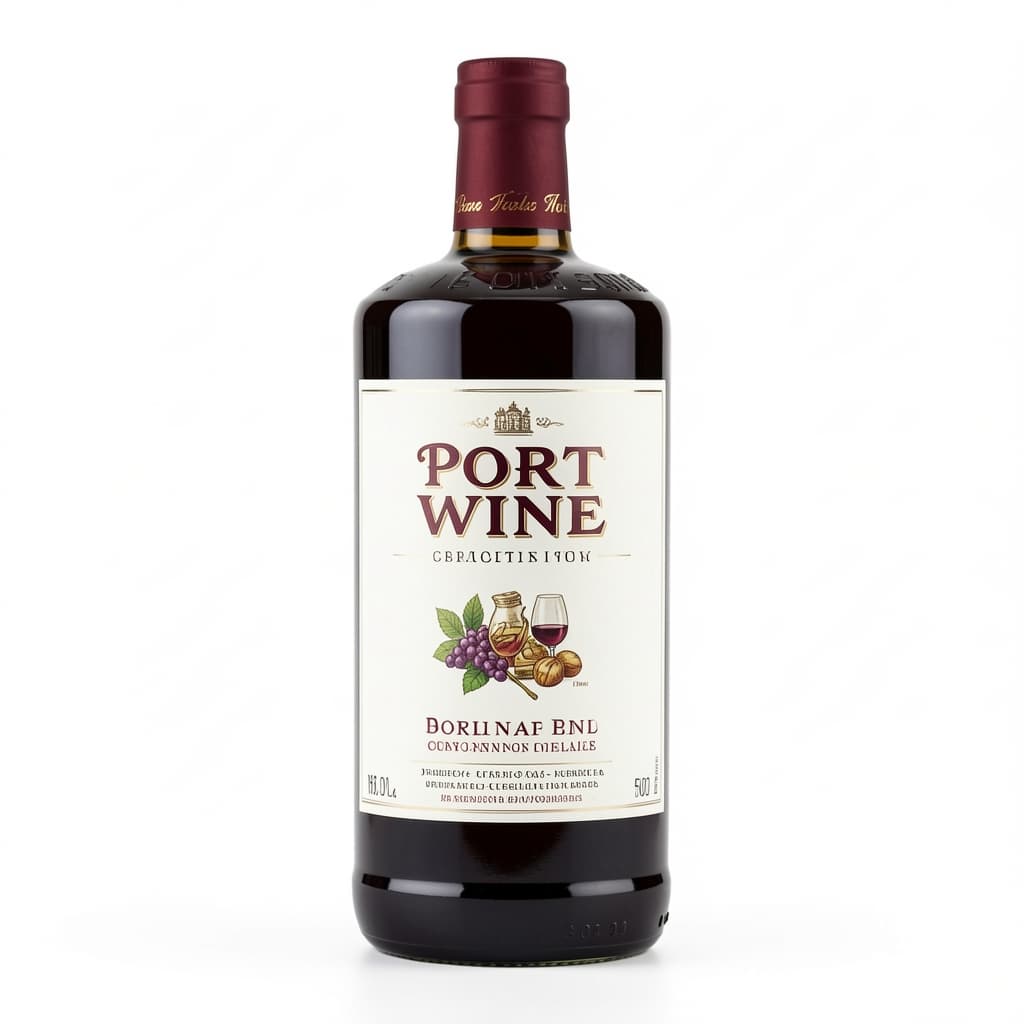
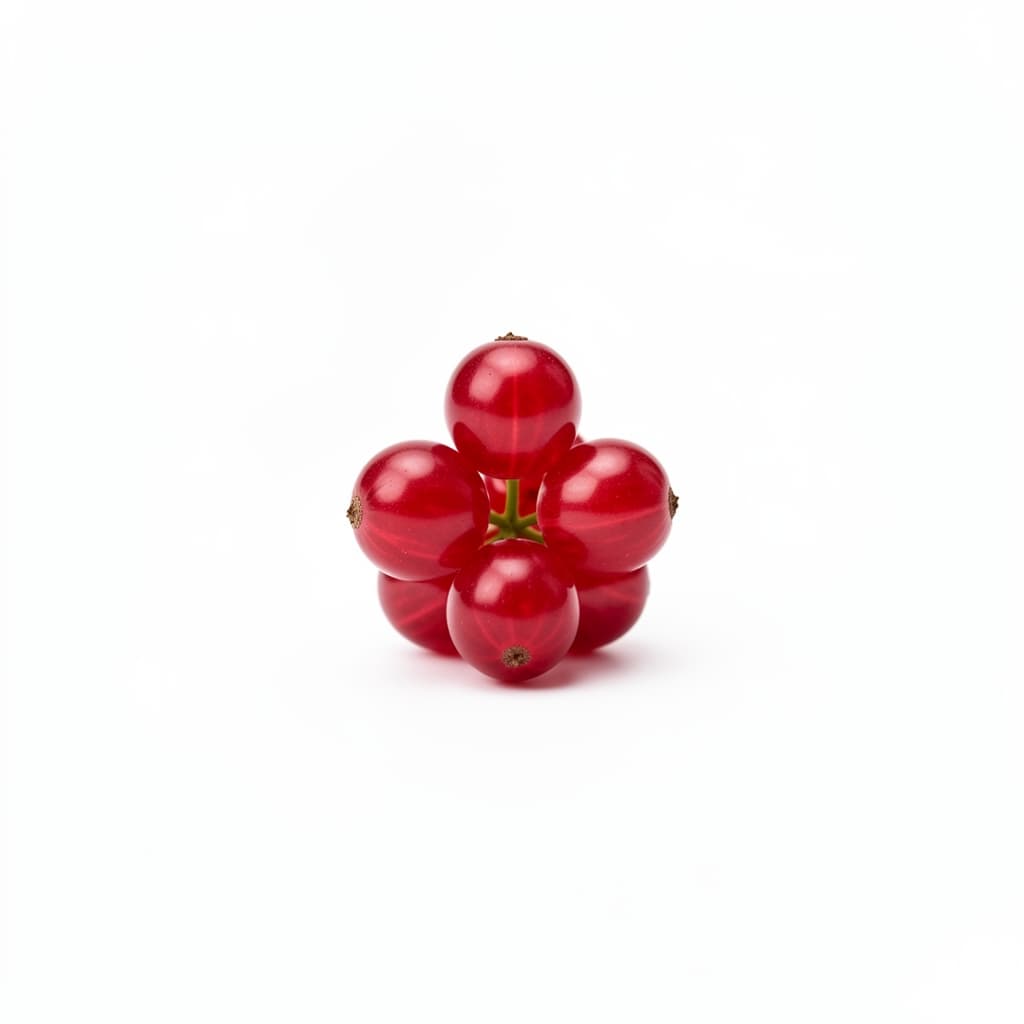
Reduce the heat and simmer until the sauce has thickened to one-third of its original volume. Whisk in the remaining butter and the rest of the red currants, then serve immediately over the sliced duck.
25
g95
g20
g
 Yemeni